“Rejection sensitive dysphoria (RSD) is when you experience severe emotional pain because of a failure or feeling rejected. This condition is linked to ADHD and experts suspect it happens due to differences in brain structure. Those differences mean your brain can’t regulate rejection-related emotions and behaviors, making them much more intense.”
— Cleveland Clinic
I was diagnosed with ADHD at the age of twenty-one, after admitting to my therapist that I thought I might be stupid. She booked me in for a ADHD assessment test and I left that appointment with a big red rubber stamp on my file: ADHD.
The diagnosis was a relief in a lot of ways, but I didn’t stick around in therapy long enough to learn any coping skills (due to the ADHD), nor was I ever able to get on a steady regimen of medication (due to the ADHD).
I’m thirty-four now and I think I’ve got a pretty good handle on my ADHD, in the sense that I’ve held down a good day job for the past four and half years, keep the house mostly mess-free, and hit my deadlines without procrastinating to the last possible second.
The one thing I’ve always struggled with, though, is this pesky little thing called RSD. When I was younger, I could barely handle mild conflict or correction. It felt physically painful. I was, perhaps, not my best self, and harmed a few relationships along the way. RSD affected how I was able to handle being corrected at work, disagreements in my relationships, feedback in school, everything.
These days, when the RSD hits, I allow myself one really big cry, then get on with what needs doing.
As an author in traditional publishing, you would be amazed by the amount of things one must go through that trigger those feelings of “rejection”, especially when no one is “rejecting” you in the first place.
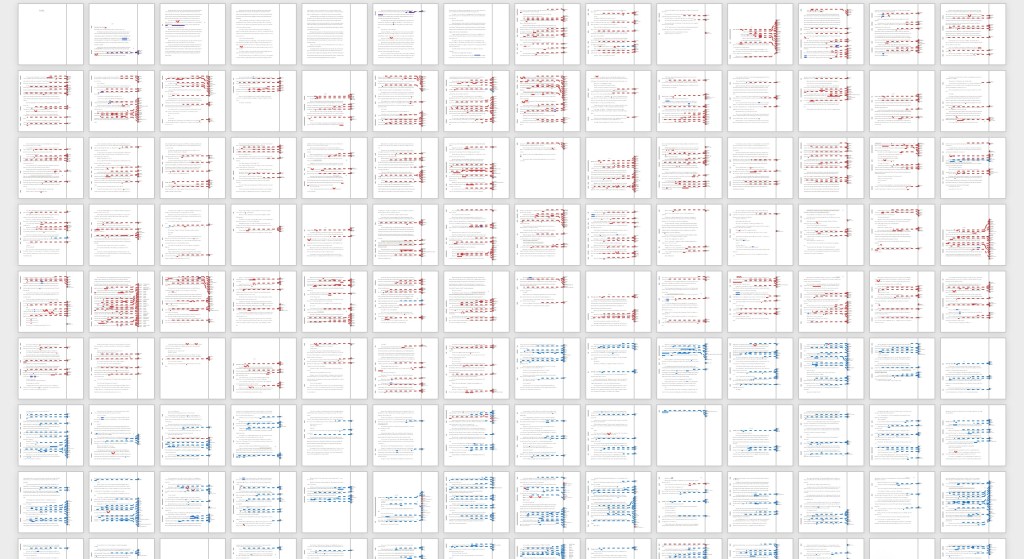
First, I send my drafts to my agent, who I have a wonderful rapport with and who I can trust to tell me straight out when something is or isn’t working (my pacing is always off, and Katie is a saint for getting me on the right track!). Then, once the book is sold, it goes through several rounds of edits with an editor, whose job is to make sure the book is both sound on both the developmental and line level. Then, there might be sensitivity readers (like with DEAD BOYS CLUB). After that, there’s the copy-edit, where your book is read by someone who hasn’t been there since the beginning and whose entire job is to whip your book into shape.
(And that’s just the editing part. Don’t even get me started on how rough RSD can feel when you start comparing yourself to others in your debut cohort—which happens, it’s natural. Sure, sure, comparison is the thief of joy and all but holy crap how the heck did you people get 4000 Goodread adds??)
Let’s be clear here: I LOVE editing. It’s one of my favorite parts of writing. For the most part, I pride myself on being able to see where my editors are coming from, and decide what bits to accept and what bits to toss. But that doesn’t mean it doesn’t come with its own challenges. Despite the joy I feel while editing and making my manuscript the best it can be, I can also become frozen still, staring at my marked up pages, thinking: “Oh my god, they must really hate me.”
This is not a logical thought. And generally, I can shake it off and keep going. But there are times where I’m glad I’ve asked for an extra week or two added to my deadline, because I’ll get nauseous even thinking about opening the Word document.
Editing with RSD means I need a lot of reality checks. I have a really great support system in my wife and my friends, who I can always talk to if I’m feeling dysregulated.
I like reading other authors’ experiences with editing too. It’s relieving to see authors with thousands of more readers than me who are in the same boat: staring down the barrel of the copy-edits, ready to make a hundred tracked changes.
The long term answer is probably getting assessed for medication again, but, well, the ADHD is strong and the American healthcare system is bleak.
For now, I do my best to remind myself that each suggestion and change is there to, hopefully, make my writing the best it can be, and to put out the best book that I can at this stage of my career.
Oh, and that the copy editor doesn’t hate me.


Leave a comment